
What is Shockwave Therapy?
Shockwave Therapy San Diego is a non-surgical, in-office treatment that uses acoustic energy (sound waves) to stimulate healing in stubborn soft-tissue problems—especially tendons and fascia. It’s commonly considered when pain has lasted for weeks or months, keeps flaring with activity, and basic care like rest, stretching, or strengthening hasn’t delivered consistent relief. The purpose is simple: reduce pain, restore function, and improve tissue capacity so you can return to normal movement with fewer setbacks. At San Diego Shockwave Therapy Center, Shockwave Therapy San Diego is positioned as a practical option for people who want measurable progress without injections or surgery.
Shockwave Therapy San Diego (also called extracorporeal shockwave therapy or ESWT) delivers targeted acoustic pulses into painful soft tissue. These pulses may help increase local circulation, support tissue remodeling, and reduce pain sensitivity—particularly in chronic tendon and fascia conditions.
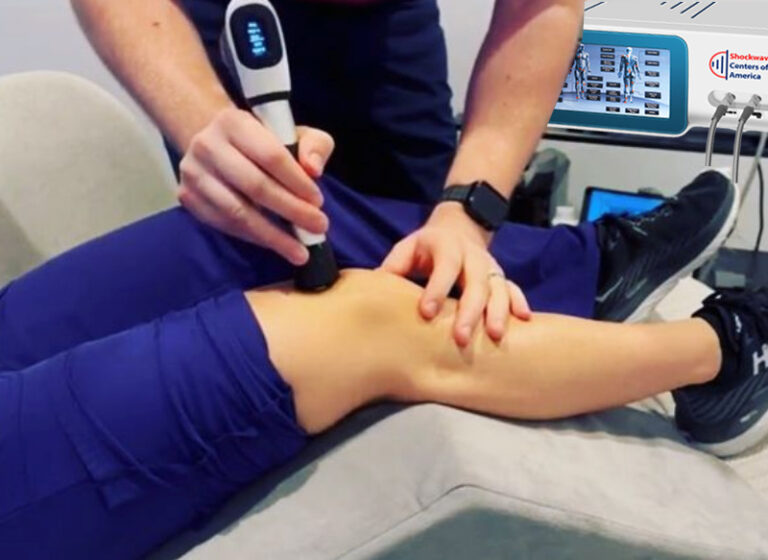
How shockwave therapy works?
Shockwave therapy works by sending controlled acoustic pulses through the skin into deeper tissue. These pulses act as a mechanical signal that can influence how tissue responds and recovers. In chronic tendon pain, the tissue can get stuck in a low-grade cycle where it doesn’t fully remodel, and sensitivity stays high even when the structure isn’t “torn.” Shockwave Therapy San Diego is often used to disrupt that cycle and encourage a healthier healing response over time.
Clinically, providers often describe effects such as improved microcirculation (better blood flow in the targeted zone), pain modulation (reducing hypersensitivity), and support for collagen organization and tissue regeneration. For some presentations, especially certain shoulder cases, shockwave may also help with calcific tendinopathy by influencing stubborn deposits. The most important point for most patients is this: shockwave can lower pain enough to make progressive strengthening possible again, which is usually where long-term results are built.
Focused vs radial shockwave: why it matters?
Not all shockwave devices deliver energy the same way. Focused shockwave targets a more specific point and can reach deeper structures with greater precision. Radial pressure waves spread more broadly near the surface and can be useful when pain is diffuse or closer to the skin. Both can be part of a Shockwave Therapy San Diego plan depending on your condition, anatomy, and irritability level. What matters most is not “maximum power,” but correct targeting and appropriate dosing matched to your tolerance and tissue stage.


Conditions commonly treated
People searching Shockwave Therapy San Diego are usually dealing with chronic pain that limits walking, running, lifting, or sleeping. Common treatment targets include:
Plantar heel pain / plantar fasciitis (especially stubborn morning pain)
Achilles tendinopathy (pain with push-off, running, or jumping)
Lateral epicondylitis (tennis elbow) and certain forearm tendon issues
Patellar tendinopathy (jumper’s knee)
Lateral hip pain (greater trochanteric pain syndrome / gluteal tendinopathy)
Some shoulder cases, including calcific tendinopathy (case-dependent)
Shockwave Therapy San Diego tends to fit best when symptoms have persisted beyond the typical healing window and conservative care has plateaued.
What to expect in a session
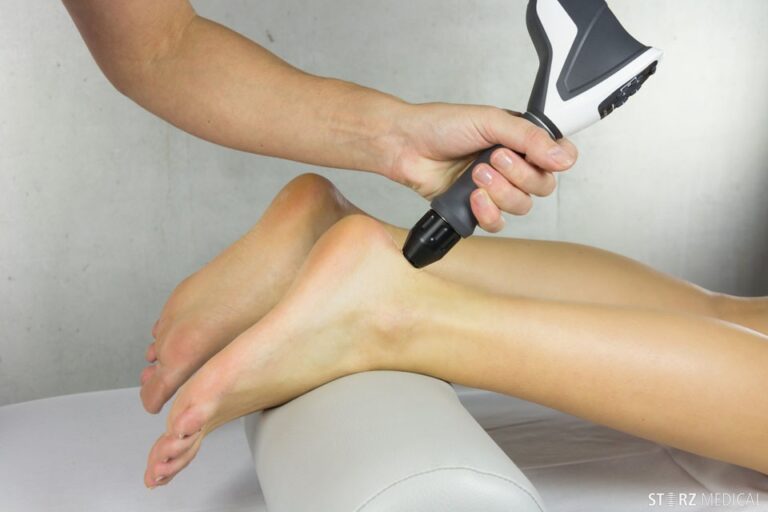
A typical Shockwave Therapy San Diego visit is efficient. First, the clinician confirms the pain driver using movement tests, palpation, and functional checks (for example: calf raises for Achilles, grip testing for elbow, step-down testing for knee, or first-step pain patterns for plantar heel pain). Gel is applied to the skin to help transmit the acoustic energy. Then the applicator delivers pulses in a measured pattern across the target region.
Most people describe the sensation as rapid tapping or thumping over a tender spot. Intensity is adjusted to keep it tolerable. Afterward, mild soreness is common for 24–72 hours, similar to a workout effect in the area. That’s why smart load management matters—Shockwave Therapy San Diego works best when you don’t immediately overload the tissue again.
How many sessions are typical?
Many patients complete a short series rather than relying on a single treatment. A common range for Shockwave Therapy San Diego is 3–6 sessions, often spaced about one week apart. Some people feel early relief, but others notice gradual improvement across several weeks, especially with long-standing tendon pain. Providers usually set checkpoints: if you’re not trending better by a certain point, the plan should be adjusted (targeting, dosing, rehab strategy) or the case should be re-evaluated for alternative causes.
common conditions and practical expectations
| Condition focus | Typical pain pattern | Common session range | What improvement often looks like |
|---|---|---|---|
| Plantar heel pain | First-step pain, heel tenderness | 3–6 | Less morning pain, better walking tolerance |
| Achilles tendinopathy | Pain with running/jumps/push-off | 3–6 | Better calf loading, fewer post-run flares |
| Tennis elbow | Pain gripping/lifting | 3–6 | Improved grip tolerance, less flare after use |
| Patellar tendinopathy | Pain with stairs/jumps/squats | 3–6 | Less pain under load, stronger quad tolerance |
| Lateral hip pain | Side-lying pain, walking discomfort | 3–6 | Better sleep comfort, improved walking capacity |
These are common trajectories seen with Shockwave Therapy San Diego, but results depend on correct diagnosis and how well your activity progression matches tissue capacity.
Aftercare and ROI moves
To get maximum value from Shockwave Therapy San Diego, align treatment with a structured progression plan:
Keep normal daily movement unless told otherwise
Avoid immediately “testing” the tissue with max intensity workouts
Follow strengthening or mobility guidance to rebuild capacity
Track response markers: morning pain, walking tolerance, grip strength, or pain-free reps
The biggest mistake is treating shockwave as a standalone fix. In most chronic tendon cases, the durable win comes from combining pain reduction with progressive loading.