
The San Diego Padres are finding momentum at a pivotal point in the season, winning seven of their last 10 games and holding a slim lead in the National League wild-card race. But beyond the standings, one storyline is resonating with athletes and active adults across San Diego, California: pitcher Joe Musgrove’s encouraging injury update as he works his way back from Tommy John surgery.
For anyone dealing with tendon and ligament stress—whether from baseball, CrossFit, tennis, golf, or physically demanding work—Musgrove’s rehab highlights a reality many people in San Diego face: getting “close” to returning isn’t the same as being truly ready. The final stretch of recovery is where setbacks often happen, and that’s where conservative, evidence-informed therapies can matter.
Joe Musgrove’s rehab update is a reminder: recovery timelines aren’t linear
Who it involves
San Diego Padres right-hander Joe Musgrove, 33, is working his way back after a torn ulnar collateral ligament (UCL). The update also includes reporting context from Kevin Acee of The San Diego Union-Tribune, and the moment itself surfaced after Musgrove was approached by popular YouTube creator and Padres fan FaZe Rug.
What happened
Musgrove unexpectedly shared a positive injury update in an airport restaurant encounter with FaZe Rug. When asked how his recovery was going, Musgrove indicated he was heading out for a rehab assignment and suggested a return could be “within the weeks,” while stopping short of a precise date.
Where it happened
The interaction occurred at an airport restaurant (as captured via social content), but the broader context is firmly rooted in San Diego, California—where Padres fans are tracking the team’s playoff push and the health of key arms.
When this matters most
This update lands at a moment when the Padres are stabilizing their rotation with additions like Casey Mize and Robbie Ray. It also comes after Musgrove’s recovery included a spring training setback that delayed his ramp-up before a rehab assignment began in early August.
Why the update matters
The Padres reportedly want Musgrove built up not only to reach an 80-plus pitch workload, but to recover well enough to repeat that workload every five to six days. That “repeatability” is often the real test in elbow and shoulder rehab—whether you’re a Major League pitcher or an everyday person trying to return to sport without re-injury.
What Musgrove’s comeback signals about elbow injuries and tendon healing
Tommy John surgery is commonly associated with pitchers, but the underlying issue—tendon and ligament overload—shows up in many San Diego athletes and active professionals. The UCL is a stabilizing structure, and the throwing motion places extreme stress across the elbow. Even after surgical repair, the body must rebuild tolerance gradually.
What stands out in Musgrove’s situation is the emphasis on velocity, command, and consistency—plus the acknowledgment of earlier setbacks. In real-world rehab, setbacks can occur when workload increases faster than tissue capacity, when mechanics compensate, or when recovery practices (sleep, inflammation control, progressive loading) are inconsistent.
That’s where modern conservative tools—when appropriately timed—can support the overall recovery plan alongside physical therapy and medical oversight.
How Shockwave Therapy fits into the recovery conversation in San Diego
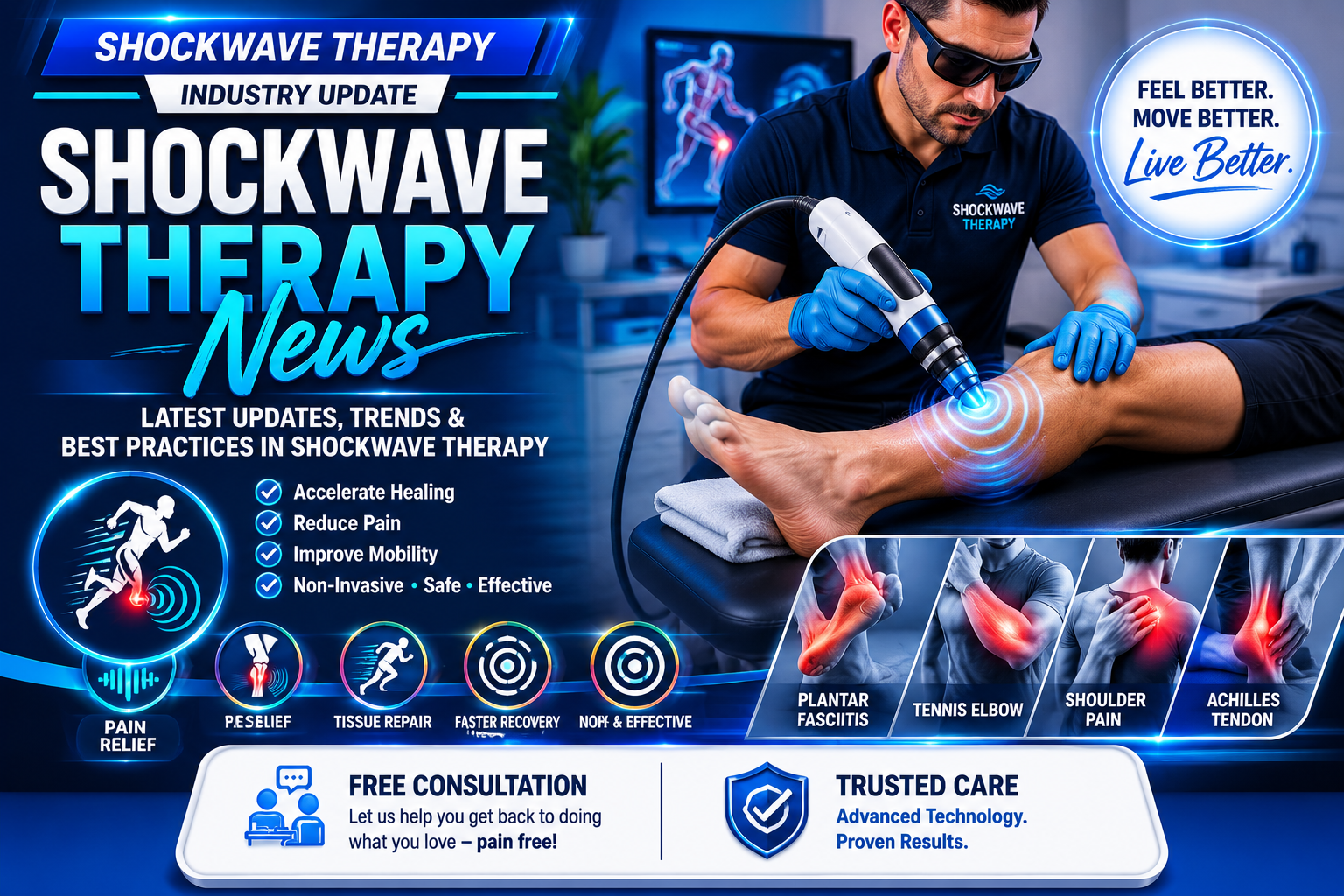
At San Diego Shockwave Therapy Center, we often work with people who are dealing with stubborn tendon pain, chronic overuse injuries, or lingering soft-tissue irritation that won’t calm down with rest alone. While shockwave therapy is not a replacement for surgery when surgery is medically necessary, it is widely used as a non-invasive option that may help support tissue healing and pain reduction in many tendon-related conditions.
For throwers and active adults in San Diego, California, the broader takeaway from Musgrove’s update is this: returning safely is about building durable tissue capacity—not just “feeling better” for a week. Shockwave therapy is commonly discussed in relation to tendinopathies (like tennis elbow, golfer’s elbow, Achilles tendinopathy, plantar fasciitis, and certain shoulder tendon issues), because it may stimulate local biological responses that can be helpful when combined with a structured rehab program.
In other words, Musgrove’s “within the weeks” comment is exciting, but it also highlights why teams—and individuals—should avoid rushing the final stages. The Padres’ depth with Mize and Ray gives them flexibility. Most non-pro athletes don’t have that luxury—so it’s even more important to make smart, sustainable recovery choices in San Diego.
Why this story hits home for athletes across San Diego, California
San Diego, California has year-round training weather, competitive adult sports leagues, and a strong fitness culture—meaning overuse injuries are extremely common. Elbow and shoulder pain often shows up in:
– Baseball and softball players at every level
– Tennis and pickleball athletes
– Golfers with recurring medial elbow irritation
– Gym-goers dealing with tendons that flare during pressing or pulling
Musgrove’s rehab progression—and the Padres’ caution—echoes what many San Diego patients experience: improvement doesn’t always follow a straight line, and pain relief is only one milestone. Restoring strength, mobility, and load tolerance is the real finish line.
Actionable next steps if you’re dealing with persistent tendon or elbow pain
- Don’t “test it” with max effort too soon. Gradually reload the tendon/ligament with a progression you can repeat without flare-ups.
- Track what triggers symptoms (grip-heavy lifts, serves, throwing volume, work tasks) and reduce the spikes rather than stopping all movement.
- Address mechanics and adjacent areas (shoulder blade strength, forearm capacity, thoracic mobility) to reduce strain on the elbow.
- If pain has lingered for weeks or keeps returning, consider an evaluation to determine whether it’s tendinopathy, inflammation, or another issue.
- Ask about non-invasive options like shockwave therapy that may complement physical therapy and a structured strengthening plan.
Frequently Asked Questions
For San Diego athletes: a smarter path back starts with the right plan
If you’re in San Diego, California and dealing with persistent tendon or overuse pain—whether from training, weekend sports, or work—consider exploring conservative, non-invasive care options that support your rehab plan.
San Diego Shockwave Therapy Center offers shockwave therapy-focused care designed to help people return to activity with less pain and better tissue tolerance. If you’re unsure whether shockwave therapy fits your condition, schedule a consultation and get a clear, personalized next step.
This article is a commentary-based rewrite for informational purposes, based on this source.