
What is Shockwave Therapy?
Shockwave Therapy San Diego is a non-surgical, in-office treatment that uses acoustic energy (sound waves) to stimulate healing in stubborn soft-tissue problems—especially tendons and fascia. It’s commonly considered when pain has lasted for weeks or months, keeps flaring with activity, and basic care like rest, stretching, or strengthening hasn’t delivered consistent relief. The purpose is simple: reduce pain, restore function, and improve tissue capacity so you can return to normal movement with fewer setbacks. At San Diego Shockwave Therapy Center, Shockwave Therapy San Diego is positioned as a practical option for people who want measurable progress without injections or surgery.
Shockwave Therapy San Diego (also called extracorporeal shockwave therapy or ESWT) delivers targeted acoustic pulses into painful soft tissue. These pulses may help increase local circulation, support tissue remodeling, and reduce pain sensitivity—particularly in chronic tendon and fascia conditions.
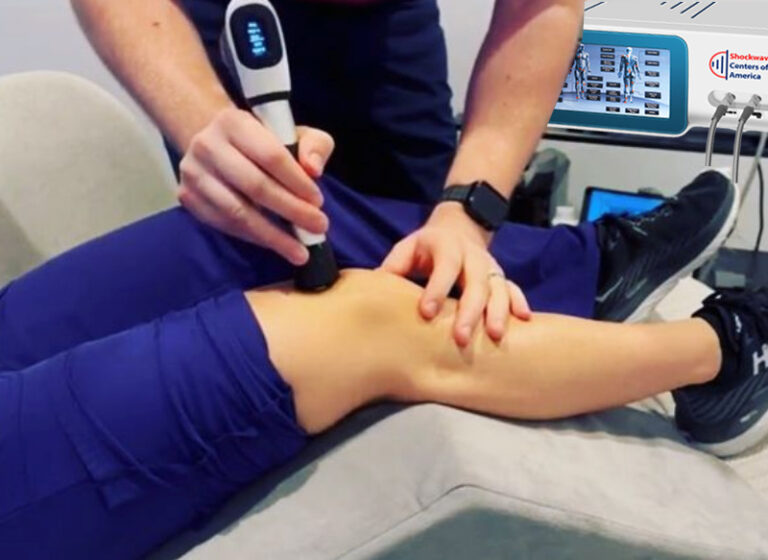
Why Shockwave Therapy Matters for San Diego Patients?
Chronic soft-tissue pain rarely stays in one place. A nagging heel, a sore Achilles, or a stiff elbow slowly reshapes how you walk, train, work, and sleep. For active San Diego and North County residents—runners along the coast, weekend athletes, parents on their feet all day, and desk workers managing repetitive strain—pain that lingers past the normal healing window isn’t just uncomfortable. It quietly limits the things you’d normally do without thinking.
That’s the gap Shockwave Therapy San Diego is built to address. Instead of masking symptoms, it targets the tissue that’s stuck in a low-grade, unresolved healing pattern and gives it a mechanical “nudge” toward remodeling. For many patients, the real value is functional: less pain during everyday movement, better tolerance for loading, and a clearer path back to the activities that matter. Getting properly evaluated early also helps rule out look-alike problems and avoids months of guesswork. If you’re new to the treatment, our overview of what shockwave therapy is and how shockwave therapy works is a good starting point.
How shockwave therapy works?
Shockwave therapy works by sending controlled acoustic pulses through the skin into deeper tissue. These pulses act as a mechanical signal that can influence how tissue responds and recovers. In chronic tendon pain, the tissue can get stuck in a low-grade cycle where it doesn’t fully remodel, and sensitivity stays high even when the structure isn’t “torn.” Shockwave Therapy San Diego is often used to disrupt that cycle and encourage a healthier healing response over time.
Clinically, providers often describe effects such as improved microcirculation (better blood flow in the targeted zone), pain modulation (reducing hypersensitivity), and support for collagen organization and tissue regeneration. For some presentations, especially certain shoulder cases, shockwave may also help with calcific tendinopathy by influencing stubborn deposits. The most important point for most patients is this: shockwave can lower pain enough to make progressive strengthening possible again, which is usually where long-term results are built.
Focused vs radial shockwave: why it matters?
Not all shockwave devices deliver energy the same way. Focused shockwave targets a more specific point and can reach deeper structures with greater precision. Radial pressure waves spread more broadly near the surface and can be useful when pain is diffuse or closer to the skin. Both can be part of a Shockwave Therapy San Diego plan depending on your condition, anatomy, and irritability level. What matters most is not “maximum power,” but correct targeting and appropriate dosing matched to your tolerance and tissue stage.


Conditions commonly treated
People searching Shockwave Therapy San Diego are usually dealing with chronic pain that limits walking, running, lifting, or sleeping. Common treatment targets include:
Plantar heel pain / plantar fasciitis (especially stubborn morning pain)
Achilles tendinopathy (pain with push-off, running, or jumping)
Lateral epicondylitis (tennis elbow) and certain forearm tendon issues
Patellar tendinopathy (jumper’s knee)
Lateral hip pain (greater trochanteric pain syndrome / gluteal tendinopathy)
Some shoulder cases, including calcific tendinopathy (case-dependent)
Shockwave Therapy San Diego tends to fit best when symptoms have persisted beyond the typical healing window and conservative care has plateaued.
What to expect in a session
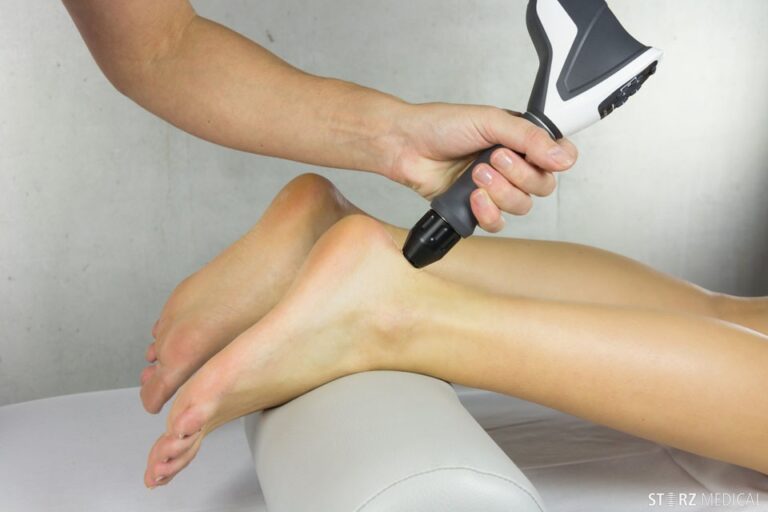
A typical Shockwave Therapy San Diego visit is efficient. First, the clinician confirms the pain driver using movement tests, palpation, and functional checks (for example: calf raises for Achilles, grip testing for elbow, step-down testing for knee, or first-step pain patterns for plantar heel pain). Gel is applied to the skin to help transmit the acoustic energy. Then the applicator delivers pulses in a measured pattern across the target region.
Most people describe the sensation as rapid tapping or thumping over a tender spot. Intensity is adjusted to keep it tolerable. Afterward, mild soreness is common for 24–72 hours, similar to a workout effect in the area. That’s why smart load management matters—Shockwave Therapy San Diego works best when you don’t immediately overload the tissue again.
How many sessions are typical?
Many patients complete a short series rather than relying on a single treatment. A common range for Shockwave Therapy San Diego is 3–6 sessions, often spaced about one week apart. Some people feel early relief, but others notice gradual improvement across several weeks, especially with long-standing tendon pain. Providers usually set checkpoints: if you’re not trending better by a certain point, the plan should be adjusted (targeting, dosing, rehab strategy) or the case should be re-evaluated for alternative causes.
common conditions and practical expectations
| Condition focus | Typical pain pattern | Common session range | What improvement often looks like |
|---|---|---|---|
| Plantar heel pain | First-step pain, heel tenderness | 3–6 | Less morning pain, better walking tolerance |
| Achilles tendinopathy | Pain with running/jumps/push-off | 3–6 | Better calf loading, fewer post-run flares |
| Tennis elbow | Pain gripping/lifting | 3–6 | Improved grip tolerance, less flare after use |
| Patellar tendinopathy | Pain with stairs/jumps/squats | 3–6 | Less pain under load, stronger quad tolerance |
| Lateral hip pain | Side-lying pain, walking discomfort | 3–6 | Better sleep comfort, improved walking capacity |
These are common trajectories seen with Shockwave Therapy San Diego, but results depend on correct diagnosis and how well your activity progression matches tissue capacity.
Treatment Outcomes and What Patients Can Expect
Outcomes with Shockwave Therapy San Diego vary from person to person, and results depend on an accurate diagnosis, how long the issue has been present, and how well your activity progresses alongside treatment. That said, most patients are working toward a few practical wins:
- Reduced pain during the movements that currently flare you up (first steps, push-off, gripping, stairs).
- Better tissue tolerance, so progressive strengthening becomes possible again.
- Fewer setbacks when returning to running, lifting, or sport.
Many people complete a short series of 3–6 sessions spaced about a week apart. Some notice early relief; others improve gradually over several weeks, which is common with long-standing tendon pain. Mild soreness for 24–72 hours after a session is normal. Because shockwave is most effective when paired with a structured loading plan, we set checkpoints along the way—if you aren’t trending better, the plan is adjusted rather than simply repeated. Learn more about typical recovery basics and the benefits patients commonly report.
Shockwave therapy does not guarantee a cure, permanent relief, or a specific outcome. Recommendations depend on an individual evaluation.
Aftercare and ROI moves
To get maximum value from Shockwave Therapy San Diego, align treatment with a structured progression plan:
Keep normal daily movement unless told otherwise
Avoid immediately “testing” the tissue with max intensity workouts
Follow strengthening or mobility guidance to rebuild capacity
Track response markers: morning pain, walking tolerance, grip strength, or pain-free reps
The biggest mistake is treating shockwave as a standalone fix. In most chronic tendon cases, the durable win comes from combining pain reduction with progressive loading.
Our Patient Care Process
We keep the process clear and structured so you always know what’s next:
- Initial consultation — We talk through your goals, symptoms, and what’s limiting you day to day.
- Medical history & symptom review — Onset, duration, prior treatments, and aggravating activities.
- Physical exam / diagnostic review — Movement tests and palpation to confirm the pain driver (for example, calf raises for Achilles or first-step testing for plantar heel pain).
- Personalized treatment planning — Device choice (focused vs. radial), dosing, and session count matched to your tissue stage and tolerance.
- Treatment — Targeted acoustic pulses delivered across the region, intensity kept tolerable.
- Follow-up care — Load-management and strengthening guidance between visits.
- Progress tracking — We monitor markers like morning pain, walking tolerance, grip strength, and pain-free reps, and adjust the plan at set checkpoints.
If you’re unsure whether it’s the right time to begin, our guide on when to start shockwave therapy can help you decide.
Why Choose San Diego Shockwave Therapy Center
Patients across San Diego and North County choose us for a few simple reasons:
- Targeted, plan-based care. We focus on correct targeting and appropriate dosing—not “maximum power”—and pair treatment with progressive loading so improvements are more likely to hold.
- Practical, patient-first communication. You’ll understand your condition, your plan, and your checkpoints in plain language.
- Convenient North County location in Carlsbad, easy to reach for surrounding communities.
- Non-surgical, injection-free option for people who want measurable progress before considering more invasive routes.
We don’t promise outcomes—no clinic responsibly can—but we do commit to an honest evaluation and a plan built around your goals. You can read more about choosing a provider in our guide to the best shockwave therapy clinic in San Diego, and see patient reviews for additional context.
Shockwave Therapy in Carlsbad and the San Diego Area
Our clinic is located at 2623 Gateway Rd #104, Carlsbad, CA 92009, serving patients throughout North County and the greater San Diego area. The local lifestyle here—beach running, surfing, cycling, hiking, and active commuting—tends to produce exactly the kind of overuse and tendon-loading issues shockwave is well suited to address. Plantar fasciitis from long days on hard surfaces, Achilles pain from running, and tennis elbow from repetitive work or sport are all common reasons San Diego patients seek care.
Because we’re easy to reach from Carlsbad, Encinitas, Oceanside, and nearby San Diego communities, fitting a short series of sessions around work and training is realistic for most people. If foot pain is your main concern, see our pages on plantar fasciitis treatment in San Diego and shockwave therapy for plantar fasciitis. For knee-related issues, our shockwave therapy for knee pain page covers what to expect.
Cost, Insurance, and Payment Expectations
The cost of Shockwave Therapy San Diego depends on the condition being treated and the number of sessions required. Individual sessions typically start around $75+, with package options that offer meaningful savings for a full series. Final pricing depends on your specific situation—the condition, consultation findings, the number of treatments planned, and any follow-up care.
Compared with the long-term cost of medications, repeated injections, or surgery (including recovery time away from work and activity), many patients find shockwave therapy to be a cost-effective option. We keep pricing transparent and provide a detailed estimate during your consultation. For more detail, see our shockwave therapy cost in San Diego page and our affordable shockwave therapy options. Insurance coverage for shockwave therapy varies; we can review your situation and explain self-pay and package options during your visit.
Frequently Asked Questions
Is Shockwave Therapy San Diego the same as ultrasound therapy?
Is Shockwave Therapy San Diego the same as ultrasound therapy?
No. Although both use sound energy, they work differently. Therapeutic ultrasound delivers continuous low-intensity sound mainly for heating and gentle stimulation. Shockwave therapy delivers higher-energy, pulsed acoustic waves designed to act as a mechanical signal in deeper tissue, which may support remodeling and pain modulation in chronic tendon and fascia problems. They’re separate tools used for different goals, and the right choice depends on your diagnosis.
Does Shockwave Therapy San Diego hurt?
Does Shockwave Therapy San Diego hurt?
Most people describe the sensation as rapid tapping or thumping over a tender area. Intensity is adjusted throughout the session to keep it tolerable, and mild soreness for 24–72 hours afterward—similar to a workout effect—is common. Discomfort levels vary by condition and individual sensitivity. You can learn more on our does shockwave therapy hurt page.
How fast will I notice results from Shockwave Therapy San Diego?
How fast will I notice results from Shockwave Therapy San Diego?
It varies. Some patients feel early relief within the first couple of sessions, while others—especially those with long-standing tendon pain—improve gradually over several weeks. Because shockwave works best alongside progressive loading, the most durable changes usually build over a short series rather than after a single visit. Results are not guaranteed and depend on your diagnosis and activity progression.
Can I keep working out during Shockwave Therapy San Diego?
Can I keep working out during Shockwave Therapy San Diego?
Often yes, with smart load management. Keeping normal daily movement is usually encouraged, but immediately “testing” the tissue with max-intensity workouts can set back progress. We’ll give you specific guidance so your activity matches your tissue’s current capacity. The goal is to reduce pain enough to rebuild strength progressively, not to overload the area between sessions.
Who should avoid Shockwave Therapy San Diego?
Who should avoid Shockwave Therapy San Diego?
Shockwave therapy isn’t appropriate for everyone. Candidacy depends on an individual evaluation, and certain conditions, medications, or anatomical factors may make it unsuitable. The best way to know is a consultation where we review your history and goals. See our safety guide for more context.
How much does shockwave therapy cost in San Diego?
How much does shockwave therapy cost in San Diego?
Individual sessions typically start around $75+, with package pricing that lowers the per-session cost for a full series. Your total depends on the condition, the number of sessions planned, and any follow-up care. We provide a detailed, transparent estimate at your consultation. Many patients find it cost-effective compared with repeated injections or surgery and the recovery time those involve.
Where is your shockwave therapy clinic located?
Where is your shockwave therapy clinic located?
We’re at 2623 Gateway Rd #104, Carlsbad, CA 92009, serving North County and the greater San Diego area. We’re easy to reach from Carlsbad, Encinitas, Oceanside, and nearby communities. Our hours are Monday–Friday 10am–6pm and Saturday 10am–4pm. Call (760) 477-4760 to schedule.
How many shockwave therapy sessions will I need?
How many shockwave therapy sessions will I need?
Many patients complete a short series of about 3–6 sessions, typically spaced one week apart. The exact number depends on your condition, how long it’s been present, and how you respond. We set checkpoints along the way and adjust the plan if you aren’t trending better. More detail is on our how many sessions page.
Is shockwave therapy covered by insurance?
Is shockwave therapy covered by insurance?
Coverage for shockwave therapy varies by plan and condition, and many patients pay out of pocket. During your consultation we’ll explain self-pay pricing and package options so you can plan ahead. We keep costs transparent and provide a clear estimate before treatment begins.
Does shockwave therapy work for plantar fasciitis?
Does shockwave therapy work for plantar fasciitis?
Shockwave therapy is commonly used for stubborn plantar heel pain, especially when morning pain and walking tolerance haven’t improved with rest, stretching, or strengthening. It may help reduce pain and support tissue healing, though results vary by individual. See our shockwave therapy for plantar fasciitis page for what to expect.
Is shockwave therapy safe?
Is shockwave therapy safe?
For appropriate candidates, shockwave therapy is generally well tolerated, with temporary soreness being the most common after-effect. Suitability depends on an individual evaluation, since certain conditions may make it unsuitable. We review your history and goals first and explain any considerations. Our safety guide covers this in more depth.
How is shockwave therapy different from PRP or cortisone injections?
How is shockwave therapy different from PRP or cortisone injections?
Shockwave is non-invasive and injection-free, using acoustic energy to stimulate a healing response, whereas PRP and cortisone are injected treatments that work through different mechanisms. Each has its own role, and the right option depends on your diagnosis and goals. Compare them on our shockwave vs. PRP and shockwave vs. cortisone injections pages.
Can shockwave therapy help me avoid surgery?
Can shockwave therapy help me avoid surgery?
For some chronic soft-tissue conditions, shockwave is considered as a non-surgical option before more invasive routes, though it isn’t a substitute for surgery in every case. Whether it’s appropriate depends on your specific diagnosis and an individual evaluation. Our shockwave vs. surgery comparison explains the trade-offs.
How soon can I book an appointment?
How soon can I book an appointment?
We see patients Monday–Friday 10am–6pm and Saturday 10am–4pm. Call (760) 477-4760 to schedule a consultation, and we’ll review your symptoms, confirm whether shockwave therapy is a good fit, and build a plan around your goals.