
Southern California is bracing for a volatile mix: powerful surf pushed north by Hurricane Genevieve and a building heatwave that could pack San Diego beaches with weekend crowds. That combination doesn’t just create dramatic ocean conditions—it raises the odds of wipeouts, rip-current emergencies, and overuse injuries that linger long after the sand is gone from your car.
For people in San Diego, especially those heading to Ocean Beach, Windansea, or Black’s Beach, this matters because the same weather pattern that draws swimmers and surfers also increases the strain on lifeguards—and the likelihood that more locals and visitors will need injury recovery care in the days and weeks that follow.
Big Surf + Extreme Heat: Why San Diego Beaches Are Entering a Higher-Risk Window
Who is involved
KPBS reported surfers Travis Scarbrough and Ryan Ybarra taking advantage of heavy surf at Ocean Beach. The segment also included safety perspective from San Diego Lifeguard Chief James Gartland and surf/heat forecasting from meteorologist Alex Tardy of Weatherecho.com.
What is happening
Hurricane Genevieve, positioned off Mexico’s West Coast, is sending stronger south swell into Southern California. On top of that, a significant heatwave is expected to drive larger-than-normal crowds to the coastline, increasing the number of swimmers in the water and the probability of rescues and injury events.
Where it’s hitting hardest
San Diego’s south-facing breaks are seeing the most forceful surf energy. Chief Gartland specifically pointed to areas like Windansea and Black’s as seeing the most powerful swell. Ocean Beach is also seeing intense surf activity, including risky behavior near the pier.
When the risk spikes
Conditions are building through the week and are expected to influence the upcoming weekend in San Diego, when heat typically drives beach attendance sharply upward.
Why it’s dangerous
With larger sets, stronger currents, and more people in the water, the margin for error shrinks. KPBS highlighted “shooting the pier,” an illegal maneuver in San Diego where surfers ride a wave between pylons and under a pier. Ybarra, a retired San Diego firefighter, emphasized how dangerous it is and warned others not to do it—especially under heightened swell.
The Hidden Injury Toll Lifeguards Don’t Treat: The Aftermath of High-Surf Weekends
Even when lifeguards prevent the worst outcomes, high-surf days commonly leave people with musculoskeletal injuries that don’t always feel severe in the moment. In San Diego, these spikes often show up as:
Shoulder strains (from paddling harder, longer, and in rougher water), knee and ankle sprains (from awkward landings or shorebreak), neck and back flare-ups (from sudden whiplash-style wipeouts), and stubborn tendon pain (Achilles, patellar tendon, rotator cuff tendons) that worsens over the following week.
Chief Gartland’s comments underscore how intense these weekends can get: he noted Windansea recorded 107 rescues on a recent Saturday. More rescues often correlate with more minor-to-moderate injuries that people try to “walk off,” only to find the pain persists.
What a Shockwave Therapy Provider Wants San Diego Beachgoers to Know Right Now
From a Shockwave Therapy perspective, the biggest issue we see after heavy surf weekends in San Diego is delayed care for soft-tissue injuries. People often wait because the injury feels “not that bad” at first—then inflammation, compensation, and reduced mobility set in.
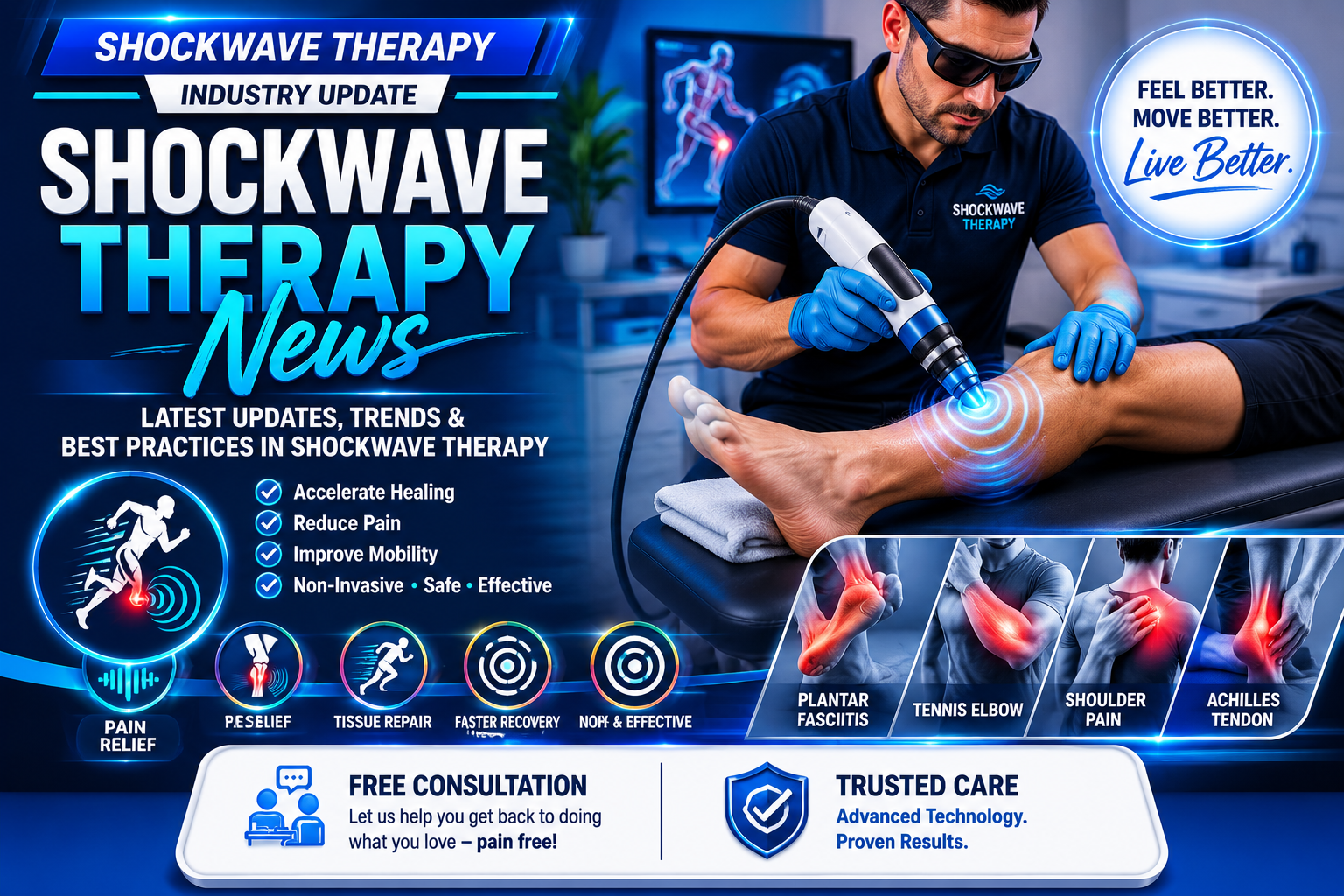
Shockwave therapy (also called extracorporeal shockwave therapy) is commonly used to support healing in stubborn tendon and soft-tissue conditions by stimulating a biological repair response. For active San Diego residents—surfers, swimmers, runners on the boardwalk, and weekend athletes—this can matter when pain becomes persistent or when rest alone isn’t restoring function.
Equally important: extreme heat can increase fatigue and dehydration, which can reduce coordination and increase cramping—two factors that raise injury risk both in the surf and on the sand.
How This Connects to Shockwave Therapy in San Diego
When surf is running 5–7 feet with sets potentially higher—as Alex Tardy warned—and beach attendance rises with heat, the most common recovery needs we see align closely with shockwave therapy’s typical use cases:
1) Chronic tendon pain that flares after intense activity (shoulder, elbow, knee, ankle). 2) Plantar fascia and heel pain aggravated by barefoot walking and impact on hard sand. 3) Overuse injuries from increased paddling volume or returning too quickly after time off.
If you’re in San Diego and notice pain lasting beyond a few days, recurring stiffness, weakness, or pain that changes your movement pattern, it’s a sign to get assessed rather than continuing to “push through.” Early evaluation can help prevent a short-term injury from becoming a long-term limitation.
Why This Is Especially Relevant Across San Diego This Weekend
San Diego tends to see concentrated beach traffic during heat events—especially around Ocean Beach, Pacific Beach, La Jolla, Windansea, and Black’s Beach. When that crowd surge overlaps with bigger surf, the risk isn’t limited to advanced surfers. It includes casual swimmers pulled by rip currents, boogie boarders caught in shorebreak, and newer surfers drawn into conditions beyond their ability level.
San Diego Lifeguard Chief James Gartland’s advice remains the baseline: choose guarded beaches, swim in designated areas, and ask lifeguards where conditions are safest that day. That guidance is particularly important when waves are elevated and temperatures push more people into the water at once.
Actionable Takeaways for Safer Surf Days and Faster Recovery
- Pick a guarded beach in San Diego and ask lifeguards where the safest swim/surf zone is before entering the water.
- Avoid high-risk behaviors near piers—“shooting the pier” is illegal in San Diego and becomes more dangerous with stronger swell.
- If you wipe out, take joint pain seriously: swelling, instability, or sharp pain are signs to stop and get evaluated.
- Hydrate and cool down during heatwaves—fatigue and dehydration increase cramp risk and poor decision-making in the water.
- If pain persists beyond several days (especially tendon pain), consider an evidence-informed assessment and a structured treatment plan rather than guessing with rest alone.
Frequently Asked Questions
Support Recovery with a Local San Diego Shockwave Therapy Option
If you’re dealing with lingering tendon pain, heel pain, or a nagging shoulder/knee issue after a high-surf day in San Diego, San Diego Shockwave Therapy Center offers shockwave therapy focused on helping active people return to movement with less pain and better function. Booking an assessment soon after symptoms persist can shorten recovery time and reduce the risk of repeated flare-ups.
Credits: This article is a commentary-based rewrite for informational purposes, based on this KPBS report.