
A powerful late-summer heat wave pushed temperatures across San Diego County into triple digits this weekend, leaving fairgrounds, stadium crowds, and even beach communities feeling the strain. From Ramona’s country fair to inland valleys like Borrego Springs, the real-world impact wasn’t just discomfort—it raised the risk of dehydration, heat illness, muscle cramping, and flare-ups of chronic pain conditions for residents trying to enjoy outdoor events.
For many people in San Diego, extreme heat also changes how the body moves and recovers: muscles fatigue faster, tendons feel “tighter,” and old injuries can become louder. That matters for active families, outdoor workers, older adults, and anyone managing ongoing joint or tendon pain.
What San Diego’s Heat Wave Looked Like on the Ground
Who was affected across the county
Residents and visitors across San Diego County felt the heat—from backcountry communities like Ramona to inland locations such as Escondido, El Cajon, Campo, Potrero, and Borrego Springs. At the Ramona Country Fair’s Off Road Car Show, Vista resident Tom Foote, 77, tried to stay cool under an umbrella as temperatures climbed toward forecast highs near 101 degrees.
What happened during the weekend surge
A high-pressure system drove a widespread warm-up, with the National Weather Service issuing a heat advisory for coastal areas and an extreme heat warning for inland valleys and desert communities through Sunday evening. San Diego Gas & Electric’s weather network showed readings around 101 degrees in Campo and Potrero, and about 112 degrees in Borrego Springs during the afternoon.
Where the heat hit hardest
While the coast saw elevated heat, inland valleys and desert areas experienced the most intense conditions. At the Ramona Country Fair—organized by the Ramona Chamber of Commerce—director Kyle Dodson noted it was shaping up to be “a hotter one,” prompting organizers to emphasize hydration, sunscreen, hats, and shade.
When crowds were most exposed
The hottest periods coincided with major outdoor gatherings: the Ramona fair running through Sunday night, the Padres hosting the San Francisco Giants at Petco Park, and country singer Zach Bryan’s outdoor performance at Snapdragon Stadium drawing tens of thousands.
Why officials urged extra precautions
Heat stress can escalate quickly, especially for seniors, young children, and people with underlying medical conditions. Dr. James N. Elia, facility medical director of the Sharp Grossmont Hospital Emergency Department, emphasized staying indoors when possible, finding shade when outside, and keeping up hydration. City officials also encouraged residents to use designated cooling locations; Office of Emergency Services Chief Rob Rezende urged people to check on elderly and vulnerable neighbors.
What Extreme Heat Can Do to Muscles, Tendons, and Chronic Pain
Heat waves don’t only create the risk of heat exhaustion—they can also contribute to physical strain that shows up as tendon pain, calf and hamstring tightness, plantar fasciitis flare-ups, Achilles irritation, knee pain, or nagging shoulder/elbow tendinopathies.
In San Diego’s extreme temperatures, common patterns include:
1) Faster fatigue during outdoor activity (walking fairgrounds, standing at concerts, working outdoors), which can change movement mechanics and overload tendons.
2) Dehydration and electrolyte imbalance increasing cramping and perceived soreness.
3) Reduced recovery capacity, especially when sleep is disrupted by heat or air quality changes.
Even when emergency rooms aren’t seeing a dramatic spike in heat-exhaustion cases, many people still experience “sub-acute” consequences—tightness, swelling, and tendon irritation—that can linger for days.
A Recovery-Focused Perspective from Shockwave Therapy in San Diego
From a shockwave therapy perspective, heat-wave weekends often translate into an uptick in overuse and flare-up complaints rather than single traumatic injuries. People may push through long periods on their feet at events like the Ramona Country Fair, walk more than usual at Petco Park, or stand for hours at Snapdragon Stadium—then notice pain the next morning in areas like the heel, Achilles, patellar tendon, hip, or forearm.
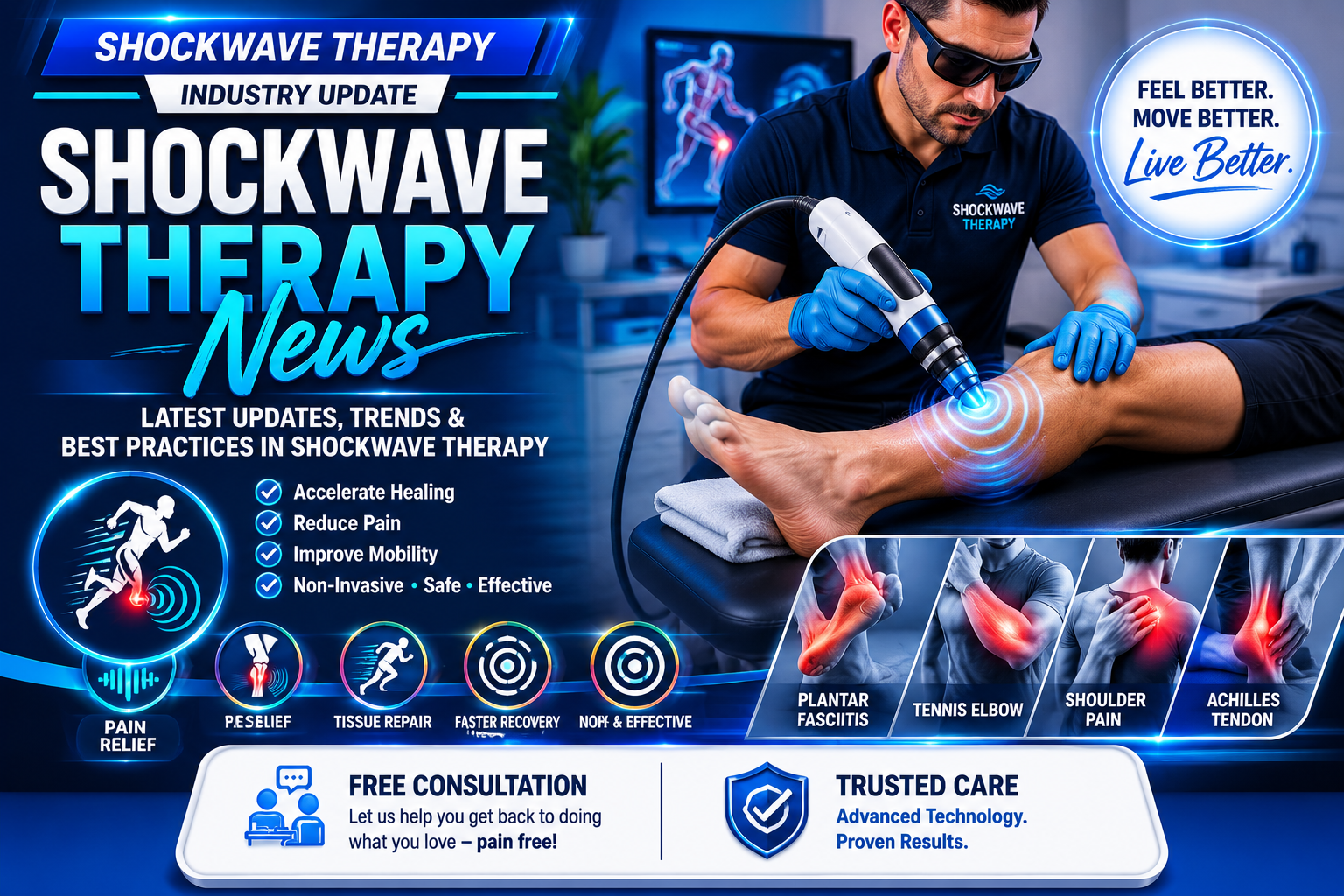
Shockwave therapy (also called extracorporeal shockwave therapy, or ESWT) is commonly used in conservative care plans for stubborn tendon and soft-tissue conditions. It’s frequently considered when rest, stretching, and basic home care aren’t enough—particularly for chronic cases that cycle between “better” and “worse,” which can happen during extreme heat periods when recovery is compromised.
How This Heat Wave Connects to Shockwave Therapy Services in San Diego
When San Diego temperatures spike, people often change routines: more beach days, more outdoor events, more walking, and sometimes more weekend sports—all of which can aggravate tendon issues. If you’re noticing persistent pain after a heat-heavy weekend, it may be a sign of an underlying tendinopathy rather than “normal soreness.”
San Diego Shockwave Therapy Center helps local patients address common overuse conditions that can be triggered or worsened by high-heat activity, including:
• Plantar fasciitis and heel pain
• Achilles tendinopathy
• Tennis elbow / golfer’s elbow
• Patellar tendinopathy (jumper’s knee)
• Shoulder tendinopathies and other persistent soft-tissue pain patterns
If your pain repeatedly returns after long days outside—especially in San Diego’s inland heat—getting a targeted evaluation can prevent a short flare-up from becoming a longer-term problem.
Why This Matters Specifically for San Diego, California
San Diego’s microclimates can trick people into underestimating risk: the coast may feel manageable while inland areas like Ramona, El Cajon, Escondido, and Borrego Springs are experiencing extreme heat warnings. That same day can involve beach time, inland errands, and an evening event—each with different exposure levels.
For San Diego residents, the combination of summer crowds, long outdoor lines, and extended standing/walking creates a perfect setup for tendon overload—particularly for older adults, workers on their feet, and active people returning to exercise after time off.
Actionable Takeaways After a High-Heat Weekend
- Hydrate early, not just when you feel thirsty; include electrolytes if you’ve been sweating heavily.
- Don’t “push through” sharp tendon pain (heel, Achilles, knee, elbow). Modify activity for 48–72 hours to avoid turning irritation into injury.
- Use smart cooling and recovery: shade breaks, cool showers, light mobility work, and adequate sleep can reduce next-day stiffness.
- Watch for heat-illness red flags (confusion, dizziness, nausea, fainting) and seek urgent medical care if they appear.
- If pain persists beyond 7–14 days or keeps returning with activity, consider a focused evaluation and treatment plan (including options like shockwave therapy).
Frequently Asked Questions
Next Step: If Heat-Triggered Pain Isn’t Settling, Get It Checked
If this weekend’s San Diego heat wave left you with lingering heel, Achilles, knee, elbow, or shoulder pain—or it aggravated an old tendon issue—early action can help prevent a longer recovery cycle. You can learn more about conservative, recovery-focused options at San Diego Shockwave Therapy Center and decide whether shockwave therapy may fit your situation.
Credits: This article is a commentary-based rewrite for informational purposes, based on this source.