
UC San Diego Health has been recognized as the No. 1 hospital system in California and placed on a national “Honor Roll,” a signal that world-class outcomes, innovation, and patient-centered care are thriving right here in San Diego. For patients across San Diego County, this kind of recognition matters because it reflects a healthcare ecosystem where advanced treatment options, faster recovery pathways, and evidence-based rehabilitation are increasingly accessible.
That momentum is also influencing how local providers approach non-surgical pain relief and injury recovery—especially for stubborn tendon and soft-tissue conditions where Shockwave Therapy is becoming a go-to option for the right candidates in San Diego.
Why UC San Diego Health’s Top Ranking Matters for Patients Seeking Better Outcomes
Healthcare rankings aren’t just headlines—they often reflect performance in key areas like specialty care, patient safety, clinical outcomes, and research-driven treatment protocols. When a major academic health system earns statewide and national recognition, it tends to elevate the overall standard of care throughout the region.
In a city like San Diego—where an active lifestyle is the norm and overuse injuries are common—this kind of “excellence culture” can translate into broader adoption of modern, conservative therapies that reduce downtime and help people return to activity safely.
What Was Announced and Why It’s Getting National Attention
Who is being recognized
UC San Diego Health, the academic health system affiliated with the University of California San Diego, received the top ranking in California and landed on a national honor roll in a widely cited hospital recognition program covered by Newswise.
What the recognition means
The announcement highlights UC San Diego Health’s standing among leading U.S. hospitals, reinforcing the organization’s reputation for high-level specialty care, advanced clinical programs, and research-informed medicine.
Where this impact is felt most
The biggest real-world impact is local: patients in San Diego and surrounding communities benefit from living in a region where the healthcare infrastructure supports innovation—often influencing how community-based clinics and specialty centers adopt or refine treatment pathways.
When the news broke
The recognition was recently reported by Newswise, drawing attention to UC San Diego Health’s statewide leadership and national competitiveness.
Why it matters beyond the headline
When an elite health system is recognized, it can accelerate the “standardization” of best practices—meaning more clinicians across San Diego take cues from evidence-driven approaches: reducing reliance on unnecessary imaging, prioritizing functional outcomes, and improving access to conservative options before surgery.
How Top-Tier Medicine Shapes the Future of Non-Surgical Recovery in San Diego
High-performing health systems tend to emphasize two patient priorities: measurable outcomes and faster, safer recovery. In musculoskeletal care, that often means:
1) earlier intervention for tendon and soft-tissue pain, and 2) wider use of non-invasive modalities that support healing and function.
That’s where Shockwave Therapy fits into the bigger picture. While not a one-size-fits-all solution, extracorporeal shockwave therapy (ESWT) is frequently explored for chronic tendinopathies and stubborn pain patterns that haven’t responded well to rest, basic stretching, or standard conservative care.
Connecting the News to Shockwave Therapy: What Patients Are Looking for Now
In San Diego, patients are increasingly asking practical questions: “How do I avoid surgery?” “How can I return to sport safely?” “Is there a proven option for chronic heel, elbow, or shoulder pain?” The same culture that drives hospital excellence—outcomes, data, and patient experience—also drives demand for therapies that are efficient, evidence-informed, and aligned with active living.
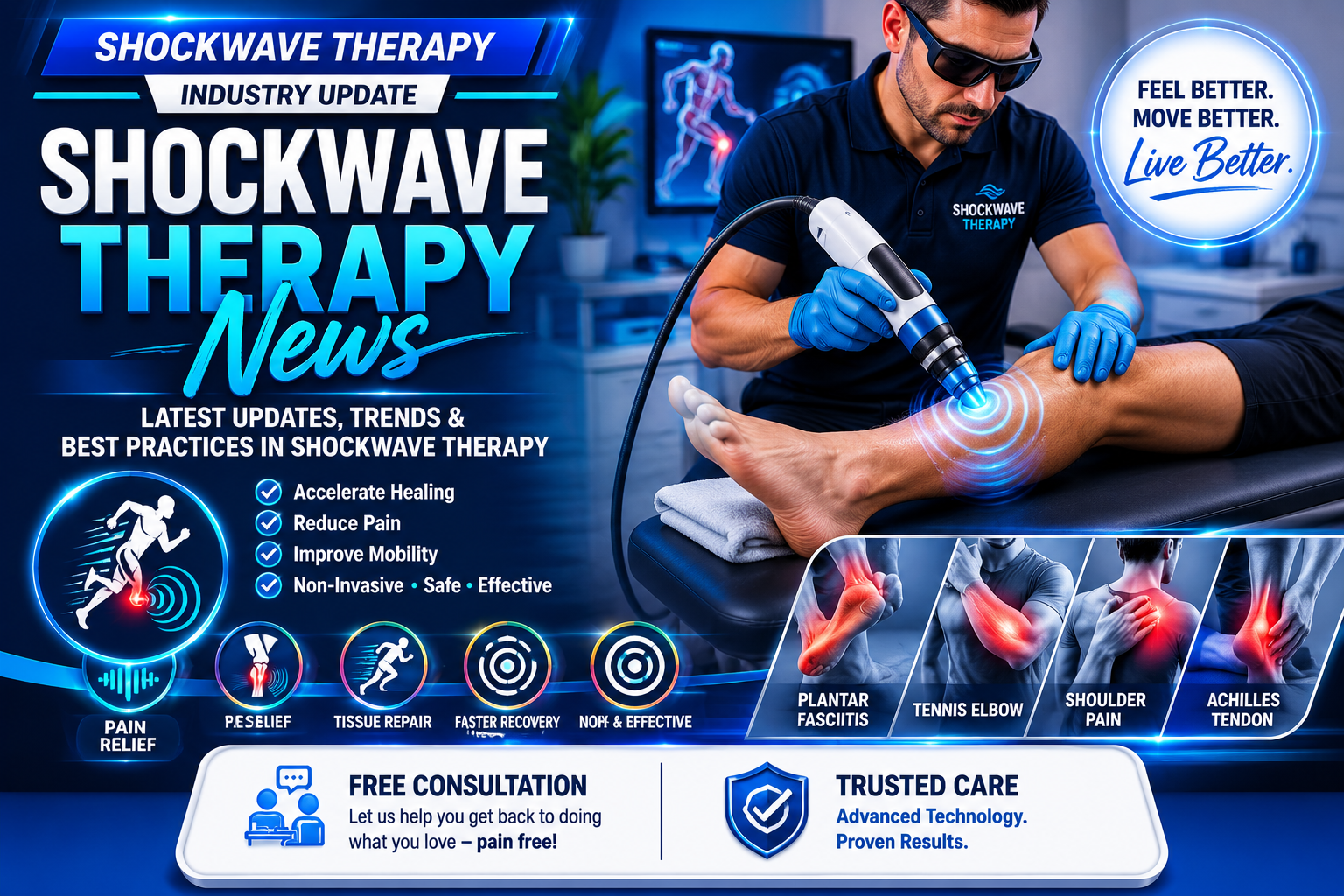
Shockwave Therapy is commonly discussed in relation to conditions such as plantar fasciitis, Achilles tendinopathy, tennis elbow, and certain shoulder or hip tendon pain patterns—especially when symptoms have lingered and conventional first-line approaches haven’t been enough. Appropriate candidacy, accurate diagnosis, and a structured plan matter as much as the technology itself.
How San Diego Shockwave Therapy Center Aligns with the Region’s Push for Better Results
As San Diego continues to be recognized nationally for healthcare excellence, community-based specialty services play an important supporting role: helping patients reduce pain, restore function, and potentially avoid more invasive interventions when clinically appropriate.
San Diego Shockwave Therapy Center focuses on Shockwave Therapy as a non-surgical option designed to support recovery for certain musculoskeletal and tendon-related conditions. For many San Diego residents, the goal is simple: get an informed evaluation, understand the likely cause of pain, and pursue a plan that emphasizes function and long-term improvement—not just temporary symptom masking.
Whether you live in central San Diego, North County, or nearby communities, access to specialized conservative care can be an important part of staying active year-round.
What San Diego Patients Can Do Right Now If They’re Dealing With Persistent Tendon or Soft-Tissue Pain
- Track duration and triggers: If pain has persisted for weeks to months, note what activities worsen it and what helps—this often guides diagnosis and treatment selection.
- Avoid “pain-chasing” rest cycles: Repeatedly resting then re-aggravating can prolong recovery; a structured plan typically works better.
- Get a targeted assessment: Many chronic pain complaints are tendon-load issues or soft-tissue dysfunctions that benefit from a clear clinical exam and plan.
- Ask about non-surgical options: For appropriate cases, Shockwave Therapy may be considered alongside mobility work and progressive strengthening.
- Don’t ignore red flags: Sudden loss of strength, severe swelling, numbness, or trauma-related deformity should be evaluated promptly.
Frequently Asked Questions
Next Step: Explore Non-Surgical Options for Persistent Pain in San Diego
If you’re in San Diego and dealing with lingering heel, tendon, or soft-tissue pain that’s holding you back, consider getting a focused assessment to see whether Shockwave Therapy is a reasonable option for your situation. Visit San Diego Shockwave Therapy Center to learn more about Shockwave Therapy and request an appointment.
Credits: This article is a commentary-based rewrite for informational purposes, based on the source linked above.