
Southern California families are rediscovering a classic outdoor escape: Ronald W. Caspers Wilderness Park, a sprawling 8,000-acre preserve tucked beside the Santa Ana Mountains near San Juan Capistrano—conveniently positioned between Los Angeles and San Diego. With kid-friendly trails, weekend nature programming, and multiple campgrounds, it’s being highlighted again as an easy “close-to-the-city” way to get outside.
But as more people from San Diego, Orange County, and greater Southern California head to the trails, one practical reality follows: hiking and camping often trigger overuse injuries, tendon flare-ups, and stubborn pain that can linger long after the weekend ends. That’s where modern, non-surgical rehab options—like Shockwave Therapy—can play a meaningful role for active people returning home to San Diego.
Why Caspers Wilderness Park is trending for SoCal day trips and camping
Who’s behind the spotlight
The destination has been resurfacing in travel coverage, supported by on-the-ground visuals credited to Estevan Gonzalez/Google Maps, Rix Pix Photography/Shutterstock, and Jenny J Smith/Google Maps—showcasing the park’s trails, facilities, and camping setup.
What the destination offers
Ronald W. Caspers Wilderness Park (often shortened to Caspers Wilderness Park) sits along the western edge of the Santa Ana Mountains and is known for oak and sycamore pockets, sandstone canyons, seasonal streams, wildlife viewing, and a family-friendly layout. Visitors can explore a Nature Center (typically open on weekends depending on volunteers), a playground designed for different age ranges, panoramic viewpoints, and a wide range of hiking routes.
Where it is and why location matters
The park is near San Juan Capistrano, off State Route 74 (the Ortega Highway corridor), making it a realistic day trip for both Los Angeles and San Diego. For San Diego residents in particular, it’s close enough to encourage frequent repeat trips—meaning repeated strain on the same joints and soft tissues across weekends.
When people are most likely to go
Weekends and fair-weather stretches are the biggest draw, especially when families are looking for quick outdoor wins without booking a long vacation. Those are also the times when trails and campgrounds fill, and when “doing a little extra” (one more loop, one more ridge, one more campsite setup) can push minor aches into real injuries.
Why hikers and campers keep returning
The park appeals to a broad range of skill levels. Short routes like the Nature Trail Loop offer an easy option through oak and sycamore woodland, while a popular moderate loop combining the Bell Canyon, West Ridge, and Dick Loskorn Trails takes hikers across varied terrain and occasional water crossings. Birders also come prepared—around 170 species have been recorded in the area.
The hidden aftermath of “weekend warrior” outings: pain that shows up Monday
For many active people traveling from San Diego to hike or camp, the adventure itself goes great—until the next day. Uneven ground, steep descents, lifting coolers, pitching tents, and longer-than-usual mileage can overload tendons and connective tissue.
Common post-hike issues seen after rugged-but-accessible parks like Caspers include:
• Achilles and plantar fascia irritation from hills and unstable footing
• Knee pain (often patellar or IT band-related) from descents
• Hip or glute tendinopathy from longer mileage and imbalance
• Calf strains and shin splints from sudden spikes in activity
• Shoulder/elbow flare-ups from hauling gear, opening/closing heavy tailgates, or repetitive camp tasks
Even when the initial pain feels “minor,” tendon injuries can become persistent when people rest a little, then jump back into activity too quickly—especially in an active market like San Diego where outdoor routines are year-round.
What Shockwave Therapy can mean for stubborn tendon and soft-tissue pain
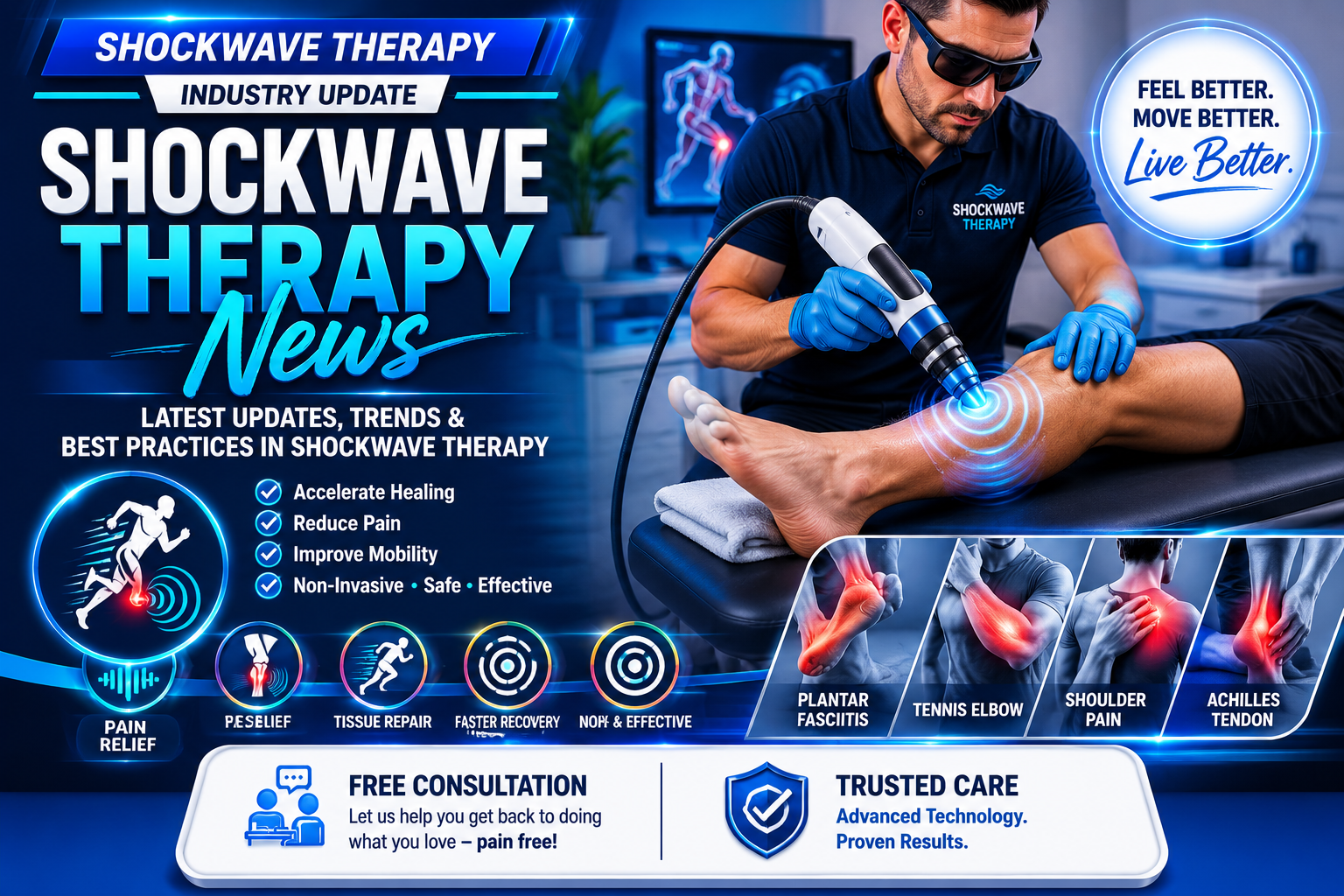
When rest, stretching, and basic home care aren’t enough, Shockwave Therapy is often sought out for chronic or slow-to-resolve conditions involving tendons and soft tissue. In simple terms, it’s a non-surgical, in-office treatment that uses acoustic waves applied to the affected area to support healing processes commonly associated with tendon pain and overuse injuries.
For many active adults in San Diego, Shockwave Therapy is discussed as an option when pain has become “stuck”—for example, ongoing plantar fasciitis, Achilles tendinopathy, tennis elbow, or similar overuse patterns that can follow repeated hikes and active weekends.
How this connects to care in San Diego: getting back outside without repeating the cycle
If you live in San Diego, it’s easy to string together multiple outdoor weekends—Caspers one weekend, beach runs the next, then a hike in East County. That consistency is great for health, but it also increases the chance of repeating the same movement errors or training spikes that caused pain in the first place.
At San Diego Shockwave Therapy Center, the goal is to help active people address the underlying issue driving recurring pain—so they can return to hiking, camping, and training with more confidence. Shockwave Therapy is often considered as part of a broader plan that may include load management, progressive strengthening, and recovery strategies appropriate for your activity level.
Local considerations for San Diego hikers making trips north
San Diego residents often underestimate how different terrain can feel when you shift from flatter coastal paths to ridge-and-canyon hiking. Add in long drives, less sleep, dehydration, and footwear that’s fine for casual walks but not for uneven trails—and you have a recipe for tendon flare-ups.
If you’re traveling from San Diego to parks like Caspers, plan for the full “stress budget”: drive time, setup time, mileage, and recovery. This is especially important for anyone in San Diego already managing plantar heel pain, Achilles tightness, or knee discomfort.
Actionable takeaways before and after your next hike or camping trip
- Ramp up gradually: avoid doubling your usual weekly walking/hiking distance just because it’s a weekend getaway.
- Respect downhill miles: descents often trigger knee and Achilles issues more than climbs—pace them and use stable footing.
- Pack for recovery: bring supportive shoes/sandals for camp, not just trail footwear; avoid staying in unsupportive flip-flops if you’re prone to foot pain.
- Don’t “stretch through” sharp pain: if pain changes your gait, stop and modify—pushing through can prolong tendon irritation.
- If pain lasts more than 7–14 days or keeps returning, get assessed: lingering tendon pain often needs a structured plan, not just rest.
Frequently Asked Questions
Next steps for San Diego locals dealing with post-hike pain
If your last hike left you with heel pain, Achilles tightness, knee discomfort, or a tendon issue that keeps coming back, consider getting a plan in place before your next trip. You can explore care options and learn more about Shockwave Therapy with San Diego Shockwave Therapy Center.
This article is a commentary-based rewrite for informational purposes, based on this source.