
San Diego County is heading into an extended period of dangerous heat through Monday, with the National Weather Service issuing multiple heat alerts across the region. For many people in San Diego, CA, this isn’t just uncomfortable weather—it can quickly become a health issue that worsens pain, limits mobility, and increases the risk of heat-related illness, especially for older adults and anyone already managing chronic inflammation.
As temperatures climb in inland neighborhoods, the mountains, and the deserts, this is also a timely reminder for San Diego residents: heat can aggravate common musculoskeletal conditions like tendon pain, plantar fasciitis, knee pain, and back stiffness. Knowing how to protect yourself—and what to do if pain flares—can help you stay safe and functional during this heat event.
What San Diego Residents Need to Know About the Heat Alerts
Who issued the alerts
The National Weather Service has issued heat-related alerts for several parts of San Diego County, including an extreme heat warning for the deserts and heat advisories for inland valleys and mountain communities.
What’s happening
Forecasters are calling for a prolonged stretch of high temperatures that can increase the risk of heat exhaustion and heat stroke. The most concerning factor isn’t only the daytime peak—it’s that overnight temperatures are expected to remain elevated, reducing the body’s ability to recover.
Where the highest risk areas are
San Diego County deserts face the most severe conditions, while inland valleys and mountain areas below higher elevations are also expected to see sustained heat. Even if coastal San Diego, CA feels milder at times, many residents commute inland for work, sports, hiking, or family responsibilities, increasing exposure risk.
When conditions are expected to peak
The extreme heat warning is expected to run from Wednesday morning through Monday evening for the deserts, with the hottest period anticipated from Thursday through Sunday for inland valleys.
Why this matters beyond discomfort
Extended heat can contribute to dehydration, fatigue, poor sleep, muscle cramping, and increased inflammation. For people already dealing with chronic pain, heat stress can make it harder to stay active and recover, and it can create a cycle of reduced movement, stiffness, and flare-ups.
How Prolonged Heat Can Affect Pain, Inflammation, and Recovery
During heat waves in San Diego, CA, people often become less active, sleep worse, and hydrate inconsistently—three factors that can make common orthopedic issues feel worse. While warmth can sometimes relax tight tissue, extreme heat can also:
Increase overall fatigue and reduce tolerance for activity, leading to altered gait or posture that strains knees, hips, and the lower back.
Worsen swelling and inflammation in already-irritated tendons and joints when hydration and recovery are poor.
Trigger muscle cramps or spasms that can aggravate back pain, calf pain, and foot pain—especially in people working outdoors or exercising.
Limit recovery overnight when temperatures stay high, making “day-after” pain more noticeable.
A Timely Clinical Perspective From a Shockwave Therapy Provider in San Diego
At a time when San Diego County is being urged to avoid prolonged sun exposure and prioritize hydration, it’s also smart to think about how you’ll manage pain safely if symptoms spike. Many people try to “push through” tendon or joint pain because they don’t want to lose progress in training, work, or daily routines. But during extreme heat, overexertion plus dehydration can be a fast track to injury aggravation.
From a shockwave therapy perspective, the goal during a heat event is to support your body’s ability to recover while minimizing strain on irritated tissue. If you’re dealing with chronic tendon pain or stubborn overuse injuries, choosing a non-surgical, non-opioid approach that targets the underlying tissue irritation may be especially valuable when heat makes activity harder to manage.
Where Shockwave Therapy Fits In During a San Diego Heat Wave
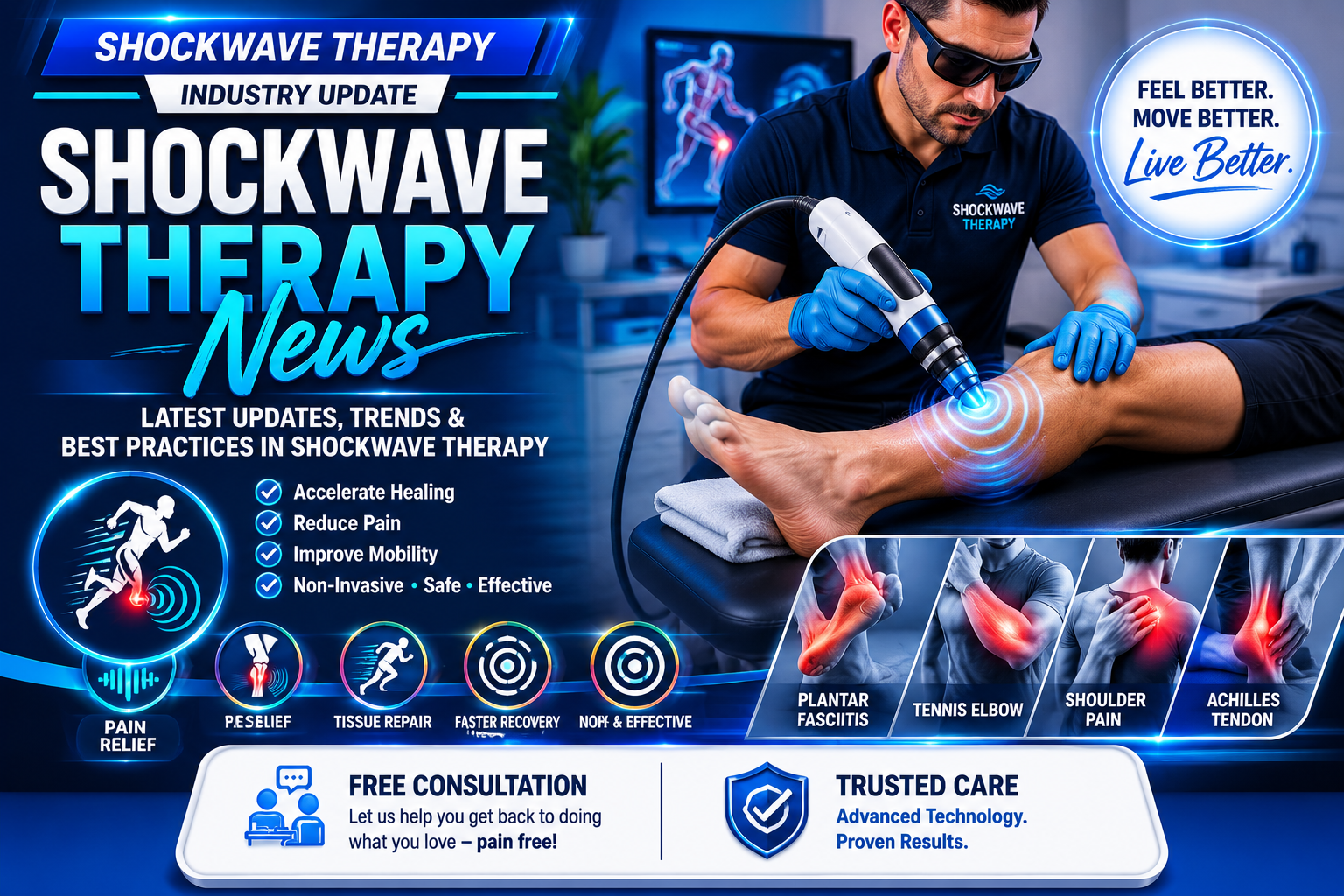
Shockwave therapy is commonly used for stubborn, non-healing soft tissue conditions—especially when rest, stretching, and basic home care haven’t been enough. During periods of extreme heat in San Diego, CA, many patients look for efficient, clinically guided care that can help them:
Address chronic tendon and fascia pain without relying on medications that may be less ideal in dehydration-prone conditions.
Stay on track with recovery when outdoor activity is limited or sleep is disrupted by hot nights.
Improve function and mobility for day-to-day tasks while reducing the “flare and crash” pattern that heat can intensify.
Common conditions often associated with shockwave therapy include plantar fasciitis, Achilles tendinopathy, tennis elbow, golfer’s elbow, patellar tendinopathy, and certain shoulder tendon issues—conditions frequently aggravated by altered activity and recovery routines during prolonged hot weather.
San Diego, CA Heat Safety and Pain-Management Tips You Can Use Right Now
- Hydrate early and consistently: Don’t wait until you feel thirsty—dehydration can worsen cramping and fatigue that changes movement patterns.
- Shift activity to cooler hours: If you must be active in San Diego, CA, aim for early morning and reduce intensity to avoid flare-ups and heat illness.
- Avoid “weekend warrior” spikes: Sudden bursts of activity during hot stretches often aggravate foot, knee, and elbow tendon pain.
- Prioritize sleep recovery: Use cooling strategies at night because poor sleep increases pain sensitivity and slows tissue recovery.
- Don’t ignore warning signs: Dizziness, nausea, confusion, rapid heartbeat, or cessation of sweating can signal a medical emergency—seek urgent care immediately.
Frequently Asked Questions
Support for Pain and Mobility During Extreme Heat in San Diego, CA
If prolonged heat is limiting your ability to stay active—or if chronic tendon or foot pain is flaring as temperatures rise—professional guidance can help you avoid setbacks. To learn more about treatment options and whether shockwave therapy may be a fit, contact San Diego Shockwave Therapy Center.
Credit: This article is a commentary-based rewrite for informational purposes, based on this source.